
biographyREF B-0144636Verified
Biography record
Potlako Kitchener Leballo
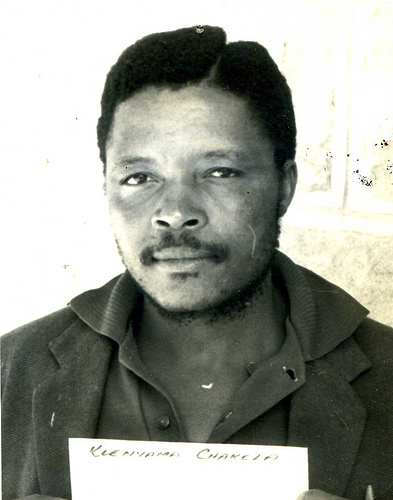
- Born
- 19 December 1915
- Died
- January-1986
- Updated
- 23 Aug 2019
South African History Online. (2019, August 16). Potlako Kitchener Leballo. South African History Online. https://sahistory.org.za/ref/B-0144636
South African History Online (2019) 'Potlako Kitchener Leballo', South African History Online, 16 August. Available at: https://sahistory.org.za/ref/B-0144636 (Accessed: 9 October 2026).
South African History Online, Potlako Kitchener Leballo [website], https://sahistory.org.za/ref/B-0144636, (accessed 9 October 2026).
"Potlako Kitchener Leballo." South African History Online, 16 Aug. 2019, https://sahistory.org.za/ref/B-0144636. Accessed 9 Oct. 2026.
South African History Online. "Potlako Kitchener Leballo." South African History Online. August 16, 2019. https://sahistory.org.za/ref/B-0144636.
Further reading
 Place
Place
Xamdeboo was called Aberdeen, Eastern Cape
Aberdeen is about 50 km South-West of Graaff-Reinet and only 3 hours drive from Port Elizabeth.
 Place
Place
Cape Town Civic Centre and the CBD of Cape Town
The Cape Town Civic centre is a Building in the centre of Cape Town, which is just under Signal Hill.
 Place
Place
Paternoster, West Coast
"Think of Fishermen and Fishing Boats, hardy Fynbos growing on whites Dunes, and of Bokkoms (dried Fish), drying in the....
 Article
Brenda Fassie’s 1997 hit song Vulindlela still raises questions about South Africa as a nation
In 1997, South Africa’s most famous music star had a huge hit. Brenda Fassie’s Vulindlela became a national pop...

 Place
Place
KwaZulu-Natal Literary Trails (under Heritage Routes)
Kwa-Zulu Natal has a diverse literary heritage, from the legacy of prominent Indian writers and political figures in...
SAHO is free because readers fund it. Donate →