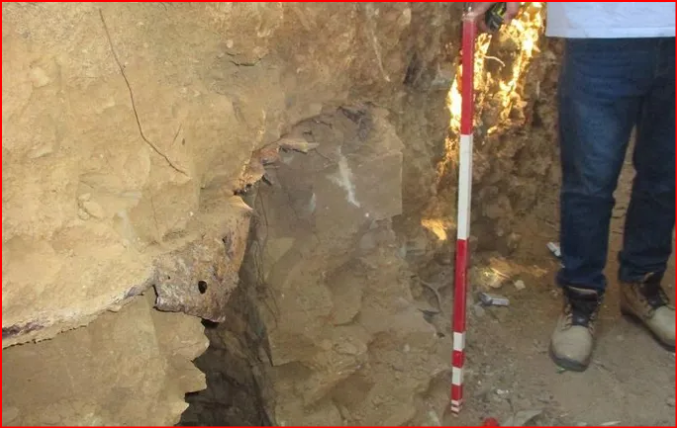
The stone shown in PHOTO is off the Well, uncovered at the Bo-Kaap Market site upgrade.(LINK PROVIDED IN FURTHER READING)
Cape Town is a city built on layers of history and landscape. Beyond its iconic mountain and coastline, there is a network of stairways climbs through neighbourhoods, along cliffs and down to the sea. These stairways connect people to the city and to each other. They are part of Cape Town’s makeup and offer a unique way to explore the city. Cape Town’s most intriguing secret stairways and the stories behind them- PROVIDED IN THE LINK. Bo-Kaap is famous for its vivid houses and cobbled streets. The stairways here date back to the eighteenth century. They were created to connect terraced homes built into Signal Hill. These steps carried artisans, tailors and cooks between home, mosque and workplace. They became part of everyday life and spaces for neighbours to meet.
Over time the stairways took on cultural significance. They have witnessed celebrations, processions and community gatherings. During apartheid, when many parts of the area were demolished, these stairways endured as living links to the neighbourhood’s heritage. Today they remain an important part of Cape Town’s identity!
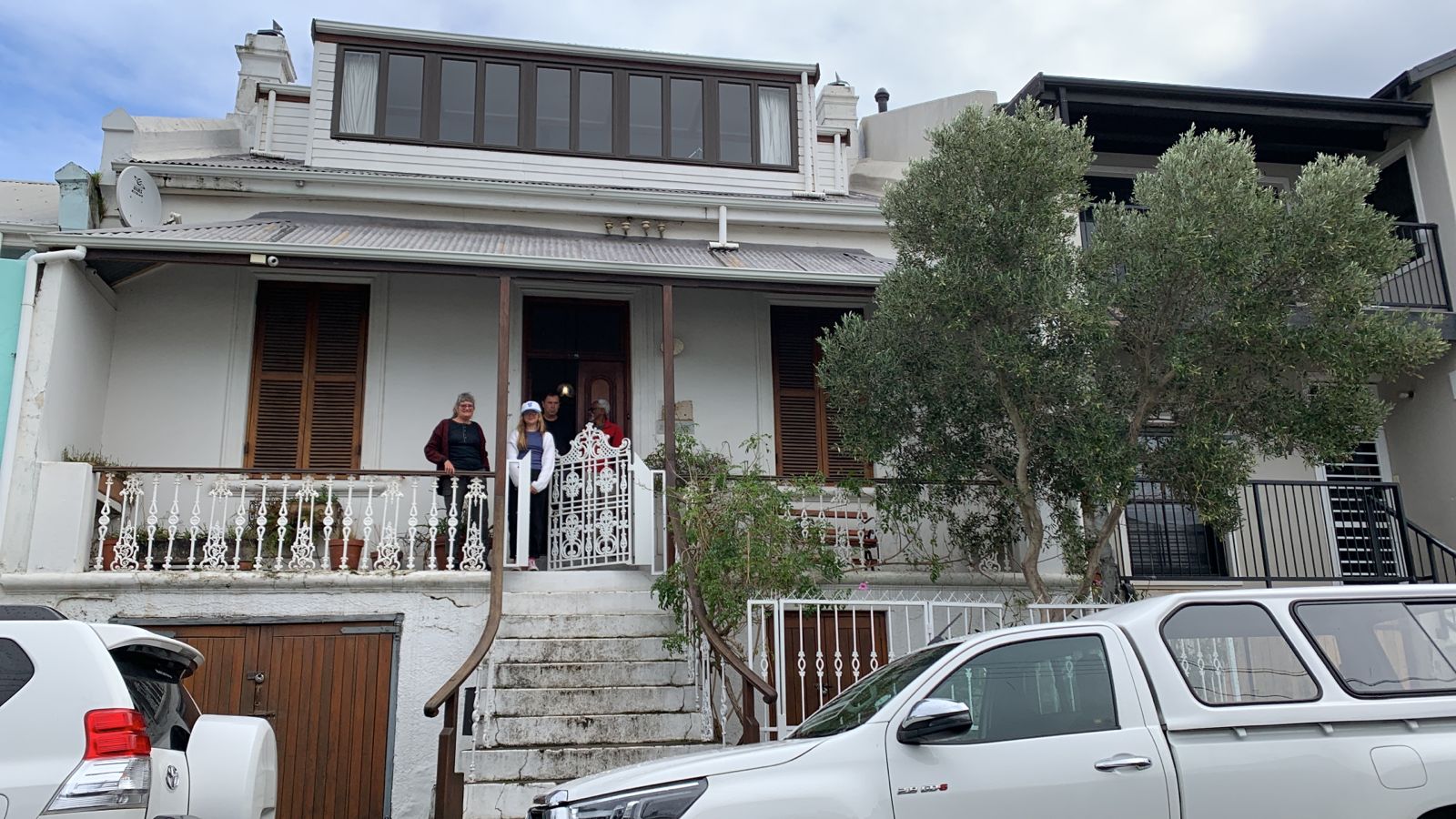
Situated at the foot of Signal Hill, on the fringe of the City Centre, and formerly known as the Malay Quarter, the Bo-Kaap’s origins date back to the 1760's, when numerous “huurhuisjes”; which means, (rental houses). Were built and leased to slaves by the Dutch Colonists. These people were known as Cape Malays, who were brought from Malaysia, Indonesia and the rest of Africa to work in the Cape. Houses are a mix of Cape Dutch and Georgian Architecture. The choice of colour is said to be attributed to the fact that while on lease, all the Houses had to be white! When this rule was eventually lifted, and the slaves were allowed to buy the Properties, all the Houses were painted bright colours by their owners as an expression of their freedom! Many of the families in the Bo-Kaap have been living there for Generations. Today the Bo-Kaap Community is a significant part of Cape Towns Cultural Heritage. The oldest Building in the Bo-Kaap is in Wale Street and currently houses the Bo-Kaap Museum. "This is the best place to discover the real History of the Area and to get a glimpse into the life of a typical Malay family!" (It has been suggested that the Bo-Kaap residents no longer refer to themselves as Cape Malay but rather, South African Muslims). The first established Muslim Mosque in South Africa, the Auwal Mosque, can also be found in the Bo-Kaap. A five-minute walk from the City Centre and De Waterkant and a 20-minute walk to the V&A Waterfront, the Bo-Kaap is best accessed by foot along Wale Street. Explore the Islamic “kramats” (shrines), mosques and food and craft markets, and discover the delicious Cape Malay cooking style!