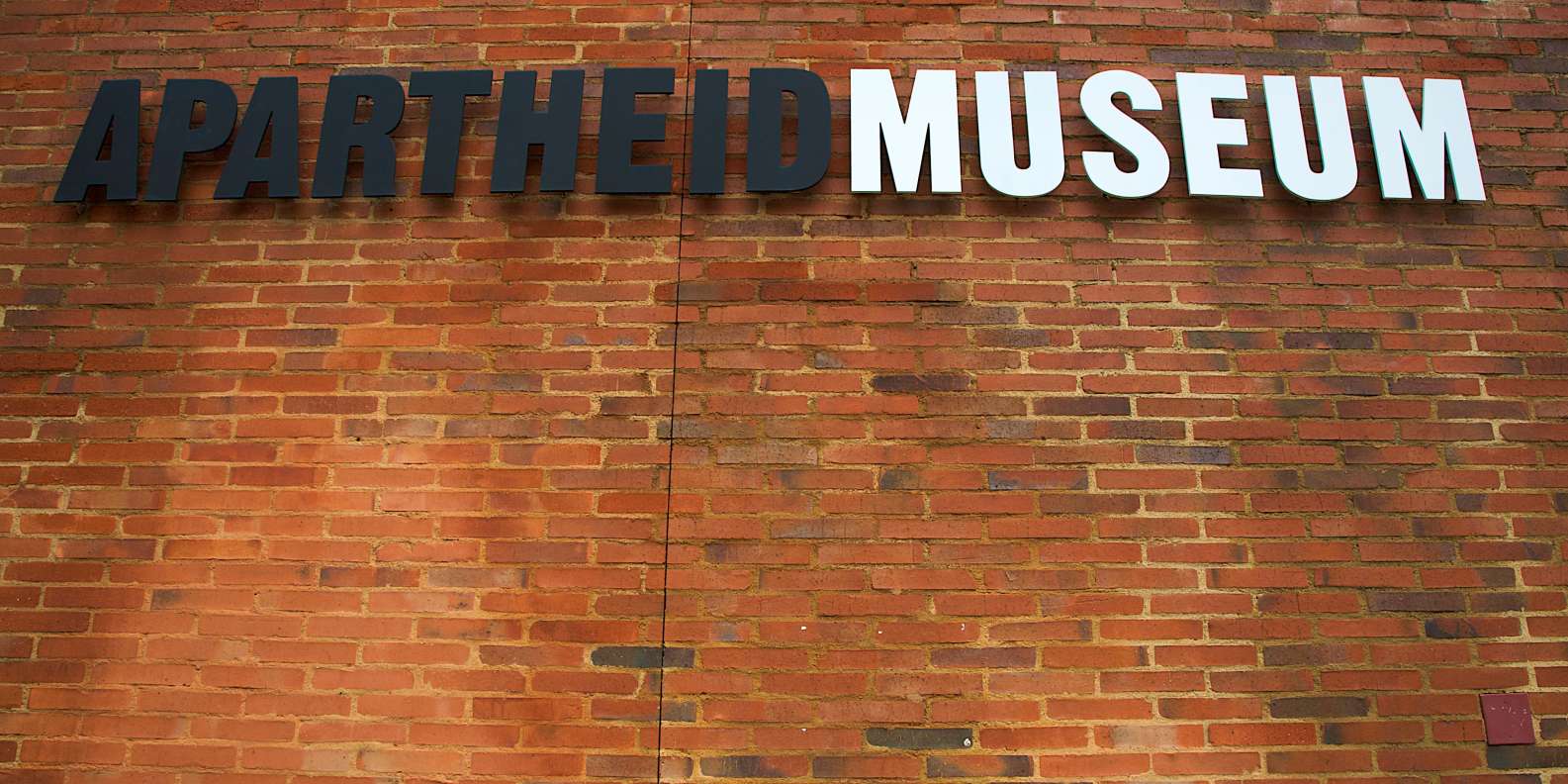
View of the Apartheid Museum. Image Source
The Apartheid Museum opened in 2001 and is acknowledged as the pre-eminent Museum in the World dealing with 20th Century South Africa, at the heart of which is the Apartheid story!
The National struggle climaxed during the Apartheid era (1948 - 1994) where
gross human rights violations were prevalent
Apartheid was declared by
United Nations as a crime against humanity, and therefore the struggle against Apartheid became a universal struggle for
Human Rights, freedom and democratic values, as enshrined in the UN Charter (Article 1) and in the Universal Declaration of Human Rights (1948), as well as the under
UNESCO Constitution which inter alia states, 'since it is in minds of men that wars begin, it is those minds that the defenses of peace must be constructed'.
In 1995 the South African Government set up a process for the granting of
Casino licenses, establishing an agency to do this called the Gambling Board. The bid documents stipulated that bidders should demonstrate how they would attract tourism and thereby grow the economy and stimulate job creation.
A consortium, called Akani Egoli (
Gold Reef City), put in a bid that included the commitment to building a Museum. Their bid was successful and the Gold Reef City Casino was built. This was erected on an adjacent piece of land given for the construction of the
Apartheid Museum. The cost of the construction was approximately 80 Million rand and was paid for by; Gold Reef City.
The Museum is registered as a Section 21 company (incorporated not for gain) with an independent board of trustees, the chairman of which is Dr John Kani. The company is separate from Gold Reef City, which has leased the museum to the Section 21 company for the duration of the casino licence. The museum therefore relies on donations, contributions and sponsorships to sustain its growth. The Apartheid Museum, the first of its kind, illustrates the rise and fall of apartheid!
An Architectural consortium, comprising several leading Architectural Firms, conceptualized the design of the building on a seven-hectare stand. The Museum is a superb example of design, space and landscape offering the international community a unique South African experience! The exhibits have been assembled and organised by a multidisciplinary team of Curators, Film-Makers, Historians and Designers. They include provocative film footage, photographs, text panels and artifacts illustrating the events and human stories that are part of the epic saga, known as: 'Apartheid'.
A series of 22 individual exhibition Areas takes the visitor through a dramatic emotional journey that tells a story of a state-sanctioned system based on
racial discrimination and the struggle of the majority to overthrow this tyranny.
"For anyone wanting to understand and experience what Apartheid South Africa was really like, a visit to the Apartheid Museum is fundamental!"
Minister Kubayi is to lead the National Launch of the 30-Year Anniversary of the Constitution and Human Rights Month.
The Minister of Justice and Constitutional Development, Mmamoloko Kubayi, will on Monday the 2 of March 2026, lead the national launch of the 30-year anniversary of the Constitution, which will also mark the commencement of Human Rights Month. The event will take place at the Apartheid Museum in Johannesburg.
The programme will place primary emphasis on the year-long commemoration of three decades of constitutional democracy under the theme: “30 Years of Constitutional Democracy: One Constitution, One Nation – Reflect, Renew, Recommit.”
The anniversary marks thirty years since former President Nelson Mandela signed the Constitution into law on 10 December 1996, following its adoption by the Constitutional Assembly on 08 May 1996 and certification by the Constitutional Court in October 1996. The Constitution came into effect on 04 February 1997.
As part of the same programme, the Minister will also launch Human Rights Month 2026, to be commemorated under the theme: “The Bill of Rights at 30: Making Human Dignity Real.”
Observed annually in March, Human Rights Month honours the 69 people who lost their lives during the Sharpeville Massacre and provides a national platform to reflect on the advancement of human dignity, equality and freedom as enshrined in the Bill of Rights.
This joint launch underscores the central place of the Constitution as the foundation of South Africa’s democratic order and the Bill of Rights as the instrument through which its values are realised in the daily lives of all who live in the country!