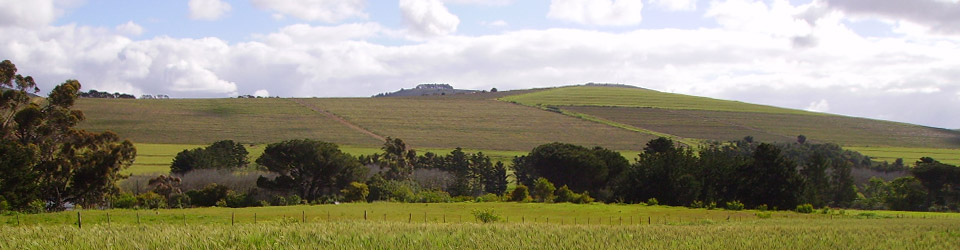
The site currently known as Durbanville was originally called: 'Pampoen Kraal'. On 2 September 1836 it was renamed; "D'Urban" in honour of Sir Benjamin D'Urban, Governor of the Cape. Durbanville is not your average Cape Town neighbourhood. There is so much more going on than the daily school run. This is a neighbourhood filled with great experiences for everyone to enjoy. Exploring the wine route will requires a day or two all on its own. There are so many farms to choose from and each one has many great things to offer its visitors. Some have very unique pairings (such as chocolate and wine or pizza and wine) while others are perfectly suited to families thanks to great facilities for kids and parents alike. There are 12 farms in the Valley and all are worth exploring : "Altydgedacht; Bloemendal; D’Aria; DeGrendel; Dimmersdal; Durbanville Hills; Hillcrest; Klein Roosboom; Meerendal; N’Tida; Phisante Kraal or Signal Gun". Durbanville is conveniently a mere 20 minutes, North of the City of Cape Town. Durbanville is one of the oldest municipalities in the Western Cape Province and originally called: 'Pampoenkraal'- (pumpkin fold), after a meeting place for local farmers around some; fresh water springs, just beyond the Durbanville Hills.
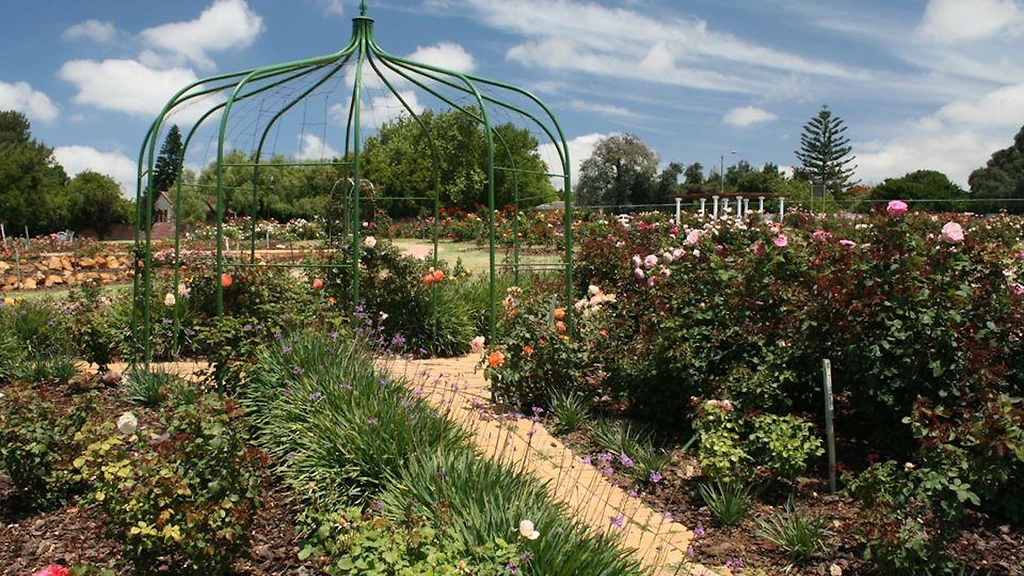
Established in 1979, this rose garden began as an initiative of the Western Cape Rose Society, supported by Mr and Mrs Lindner and the Durbanville Municipality. Part of the site sits on land that once formed the Old Eversdal Estate, donated by the Schabort family, and the garden now encloses the Schabort family burial ground and memorial.
The first roses were planted in 1979, the trial garden followed in 1981, with the official opening taking place in 1983. Botanical highlights include 500 varietals and 4500 rose bushes, plus beds of medal winners, antique roses, hybrid teas, floribundas, climbers and shrubs. Don’t miss the gazebo featuring the ‘Fairest Cape’ rose.
33 Drakenstein Road, Durbanville